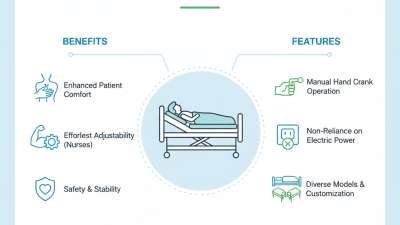
Honestly, a bed-style Nursing Bed can make a care room feel a lot more like home, without skimping on the important clinical stuff. The frame looks more like a regular bed, so it doesn't feel so institutional—and with the adjustable height, side rails, and a comfy mattress, staff can easily tailor it to each person's needs. You know, the real difference shows up in those tiny moments – like when a caregiver takes a second to raise the frame before helping someone, or when a resident shifts to the edge of the bed to get ready for the day. It's all about comfort, sure, but also about doing it safely. Both really matter.
You know, Avedis Donabedian, the guy who basically pioneered healthcare quality, once said something like, "The secret of quality is love." Sure, that's not exactly a spec sheet, but it's a good reminder: the equipment should serve the person using it. For care teams, a bed isn't just about looks. You gotta think about how easy it is to transfer patients, how you clean it, whether the mattress fits, the controls, and how much physical strain it puts on staff. A bed that looks nice but is a pain to operate might actually cause more problems than it solves. Honestly, this is something that deserves a real, honest look.
So this guide is all about why healthcare providers might pick a Bed Style Nursing Bed, what features you should really pay attention to, and where you might have to make some compromises. The right choice really depends on your specific care setting, how mobile the user is, and how your daily workflow goes—it's not just about picking the one that looks best. There's no magic bed that works for every room, period. If you do a careful comparison, and you get input from clinicians and equipment specialists, you'll be able to make a smarter choice and catch the little details that brochures tend to skip over.

What Defines a Bed-Style Nursing Bed?
A bed-style nursing bed combines the familiar shape of a home bed with adjustments that support daily care. Its platform typically raises or lowers, while the head and leg sections move separately. Lockable wheels help staff position the bed; a hand control lets users make small adjustments. Side supports may assist with repositioning, but they are not automatically safe for every person. Fit depends on mobility, body size, and care needs. Details matter. A High-Quality Bed Style Nursing Bed should feel stable, offer clearly labeled controls, and leave enough space for transfers and caregiver access.
AHRQ’s 2013 Preventing Falls in Hospitals toolkit estimates that 700,000 to 1,000,000 patients fall in U.S. hospitals each year. That figure does not mean a particular bed prevents falls. It does show why bed height, wheel locks, clear floor space, and staff routines deserve careful attention. A bed that adjusts easily can make care tasks more manageable, yet poor setup can still create hazards. That part is easy to overlook.
Tips: Test the controls before care begins. Check that wheels lock firmly, cords stay clear of walkways, and the lowest position suits the user. Ask a clinician to assess side supports and transfer needs; one setup will not fit everyone.
How Its Adjustable Design Supports Daily Care
Why Choose a Bed Style Nursing Bed for Healthcare?
How Its Adjustable Design Supports Daily Care
A nursing bed’s value often appears in small adjustments. Raising the head section can help a patient sit up for meals or conversation. Lowering it again may support rest. The knee section can also be adjusted for comfort, though each person’s needs differ.
Height adjustment changes the caregiver’s working position. Raising the bed to a suitable level can make washing, dressing, and changing linens less strenuous. Lowering it before a patient gets out of bed may make transfers feel more manageable. Lock the casters before care begins. Check that blankets, tubing, and call controls remain clear of moving sections.
The controls should be easy to understand, even during a busy shift. Simple matters. Yet adjustment cannot replace observation: a position that looks comfortable may cause discomfort after several minutes. Ask the patient when possible, check body alignment, and follow the individual care plan. Side rails need careful assessment; they are not right for everyone. In practice, the best setting may require another small change. That can be inconvenient, and daily care rarely follows a perfectly predictable routine.
Which Patient Needs Can It Accommodate?
A bed-style nursing bed can suit people who cannot change position easily, need help getting in and out, or spend much of the day resting. This may include older adults with reduced strength, people recovering after surgery, and patients with neurological or mobility conditions. Needs vary. A caregiver may raise the head section so someone can sit up for meals, or lower the bed to make a transfer safer. Raising the leg section can also support a comfortable resting position, when clinically appropriate.
For people at risk of pressure injuries, repositioning remains important; an adjustable bed can make care tasks easier, but it does not replace movement plans or skin checks. That distinction matters. Side rails may support some mobility needs, yet they are not suitable for every patient and should be assessed for individual risks. A person who is confused or prone to climbing may need a different safety plan. No bed fits every routine.
Care teams should consider the patient’s height, weight, transfer method, and ability to use the controls. A low position can help with standing, while height adjustment can reduce strain on staff during dressing or wound care. Check that the mattress fits the frame and that controls are reachable. These details are easy to overlook. Even a well-equipped bed can feel frustrating if its buttons are hard to understand or the patient cannot reach them.
How It Promotes Safety and Comfort
A bed style nursing bed supports safer care by making routine adjustments easier for patients and caregivers. Staff can raise the bed to a practical working height before changing linens or assisting with personal care. Lowering it before a patient rests may make getting in and out less intimidating. Check that the wheels are locked. Small details matter.
Comfort comes from more than a soft mattress. Adjustable sections can help a patient sit up for meals, reading, or conversation, while side rails may offer support when used appropriately. Each person’s mobility and care needs differ, so rails should not be treated as a universal solution. A poorly chosen setting can feel restrictive. Ask the patient what feels comfortable, then reassess after repositioning.
A Bed Style Nursing Bed Manufacturer should provide clear guidance on safe adjustment, cleaning, and routine inspection. Care teams can check the brakes, controls, and frame before use, and report unusual movement or damage. These steps do not remove every risk; attentive supervision and individualized care remain essential. In a real room, even a cord near the wheel can become a problem. That deserves attention.
Why Choose a Bed Style Nursing Bed for Healthcare? — How It Promotes Safety and Comfort | Bed Feature | Safety Contribution | Comfort and Care Benefit | What to Check |
| Adjustable bed height | A suitable height can help caregivers provide care with less bending. A low position may make getting in and out easier for some users. | Supports transfers and helps users find a practical position for sitting at the bedside. | Confirm the height range suits the user, caregiver, and transfer equipment. Set the bed low when appropriate and follow the care plan. |
| Adjustable head and leg sections | Adjustable sections can support positioning needs; appropriate positioning may help reduce sliding when selected for the individual. | Allows the user to raise the upper body or elevate the legs for rest, meals, reading, or care activities. | Check that controls are easy to use and that positioning follows clinical guidance, especially for users with specific medical needs. |
| Locking casters or wheels | Engaged wheel locks help limit unintended bed movement during transfers and care. | A stable bed can make repositioning and bedside assistance feel more secure. | Check that locks engage reliably and lock the wheels when the bed is stationary, following the facility’s procedures. |
| Side rails or assist rails | When selected and used appropriately, rails can provide a handhold or help with repositioning. They can also create entrapment or fall hazards if unsuitable. | A suitable assist rail may help some users change position or get in and out of bed. | Assess the individual’s needs and the mattress-rail fit. Rails are not a substitute for supervision or an individualized fall-prevention plan. |
| Compatible mattress and support surface | Correct fit helps avoid gaps between the mattress and bed components. A pressure-redistributing surface may be appropriate for users at risk of pressure injuries. | The right support surface can improve comfort and support individual positioning and pressure-care needs. | Check the bed’s stated mattress dimensions and compatibility. Choose the support surface based on an individual assessment. |
| Accessible controls and emergency operation | Clearly identified controls and a defined emergency-lowering procedure can help staff respond to bed-positioning needs. | Easy-to-reach controls can give users more independence when they are able to operate them safely. | Check control accessibility, cable condition, power requirements, and the manufacturer’s instructions for emergency operation. |
| Routine inspection and maintenance | Regular checks can identify worn components, damaged cables, faulty brakes, or other issues that may affect safe operation. | A well-maintained bed is more likely to adjust and operate as intended during everyday care. | Follow the care facility’s inspection schedule and the bed’s instructions. Remove equipment from service if a safety-related fault is found. |
| Bed features and capabilities vary by model. Choose and configure a nursing bed according to the user’s needs, a clinical assessment, and the manufacturer’s instructions. |
What Benefits Does It Offer Caregivers?
A bed-style nursing bed can make routine care more manageable by bringing the mattress to a workable height. Caregivers can adjust the backrest while helping someone sit up for meals, dressing, or conversation. Less reaching. Raising the bed may ease some tasks, though it does not replace safe transfer technique or assistance from another person. Lowering it can support a safer exit for someone able to stand, while lockable casters help keep the bed steady during care.
Split bed sections may help position a person with less manual lifting, and a hand control can allow small adjustments independently. That can save time during repeated repositioning. It may also improve comfort. Still, caregivers should check that tubing, bedding, and limbs are clear before moving the bed. Side rails are not a default solution; their use should match the person’s assessed needs and care plan. When comparing options, ask Bed Style Nursing Bed Manufacturers about working-height range, control placement, mattress compatibility, and cleaning access. Details matter. A technically adjustable bed may still feel awkward in a cramped room, so caregivers should test its movement and access before relying on it daily.
What to Consider When Choosing a Nursing Bed?
Why Choose a Bed Style Nursing Bed for Healthcare?
What to Consider When Choosing a Nursing Bed?
Choosing a nursing bed starts with the person using it, not the feature list. Can they turn without pain? Can a caregiver reach both sides? Measure the room, doorway, and route to the bathroom before ordering. Check that the bed’s height range suits transfers, and that controls are easy to reach from the pillow. Small details matter.
Safety deserves a close look. The FDA’s guidance on hospital bed systems highlights entrapment risks around rails, mattresses, and bed frames; assess the complete setup, not just one component. AHRQ has reported that pressure injuries affect more than 2.5 million U.S. patients annually. A suitable mattress, repositioning plan, and bed adjustments can support prevention, but no bed alone can guarantee it. Details matter.
Also consider cleaning, service access, emergency lowering, and compatibility with existing mattresses and accessories. Ask staff to test the controls with gloves on and practice lowering the bed during a power interruption. It can feel awkward at first. That is useful feedback. For a Bed Style Nursing Bed Exporter, clear specifications on safe working load, dimensions, adjustment range, and maintenance help buyers compare products accurately. And, honestly, the best choice may be less feature-rich than expected; ease of use often matters more than a long options list.
Why Choose a Bed-Style Nursing Bed for Healthcare?
What to Consider When Choosing a Nursing Bed
Falls are a significant global health concern. When selecting a nursing bed, consider adjustable height for transfers, stable brakes, and whether side rails are appropriate for the individual; rails also require assessment for entrapment risks.
Source: World Health Organization, “Falls” fact sheet. Figures are global annual estimates and are not specific to falls from beds.
Conclusion
A Bed Style Nursing Bed combines the familiar look of a home bed with practical features designed for care. Its adjustable height and positioning can help users sit up, rest comfortably, and move between lying and seated positions, supporting everyday routines such as meals, reading, and personal care. This adaptable design can suit people with limited mobility, those recovering from illness or surgery, and individuals who need regular assistance, with the right setup depending on their needs and care environment.
Safety and comfort are central considerations: supportive side rails, stable construction, and a suitable mattress can help create a more secure resting space. Adjustable positioning may also make common caregiving tasks easier by improving access and reducing unnecessary strain. When choosing a nursing bed, consider the user’s mobility, room dimensions, ease of operation, weight capacity, mattress compatibility, and the level of assistance required. The best choice balances dependable support, everyday comfort, and practical caregiving needs.