Leave Your Message
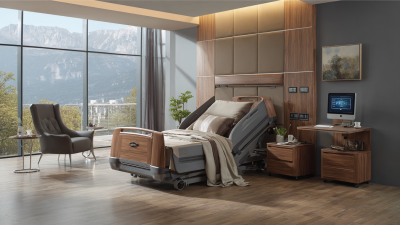
By 2026, healthcare providers are heading into the year with a pretty clear ask: nursing equipment has to be safer, more flexible, and easier to live with day to day. An ageing population, rising chronic illness, and more care happening at home are all changing how beds get chosen. The WHO says that by 2030, one in six people around the world will be 60 or older. That's a big shift, and it makes patient mobility and caregiver support harder to ignore.
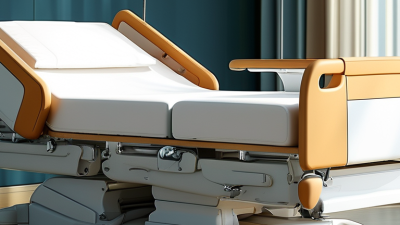
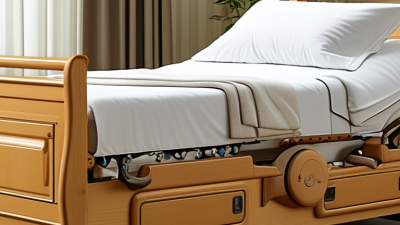
Industry forecasts seem to agree. Grand View Research and Fortune Business Insights both point to electric adjustment, pressure-relief systems, and connected monitoring as key hospital bed trends. Those findings line up with several leading Multi Functional Nursing Bedtypes for 2026. Electric five-function beds can move the backrest, knee section, height, and overall position. Low beds help cut injury risk during nighttime movement. Bariatric models offer wider platforms and higher load capacity. Icu Beds bring in emergency positioning, weighing systems, and access for clinical equipment. Homecare beds lean toward quieter motors, simpler controls, and easier cleaning.
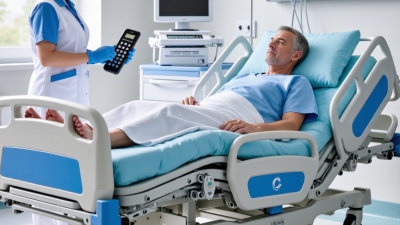
The practical stuff matters, too. A nurse should be able to reach the patient without bending way over. A caregiver should be able to lock the casters with one foot. Side rails need to protect, not create avoidable entrapment risks. Smart beds can detect movement, sure, but sensors still need proper calibration. Technology isn't always better. A complicated control panel can just frustrate an older user. IEC 60601-2-52 and ISO 13485 are useful safety and quality references, though local regulations still matter most. Market reports are helpful, but their forecasts vary by region and methodology. So the "top" bed isn't automatically the most expensive one. It's the one that fits clinical needs, user ability, facility workflow, and verified safety performance.
Definition and Role of Multi-Functional Nursing Beds in 2026
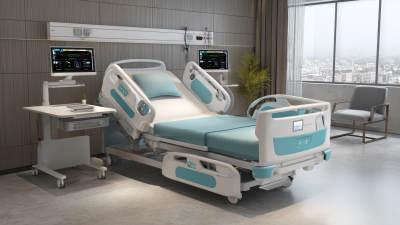
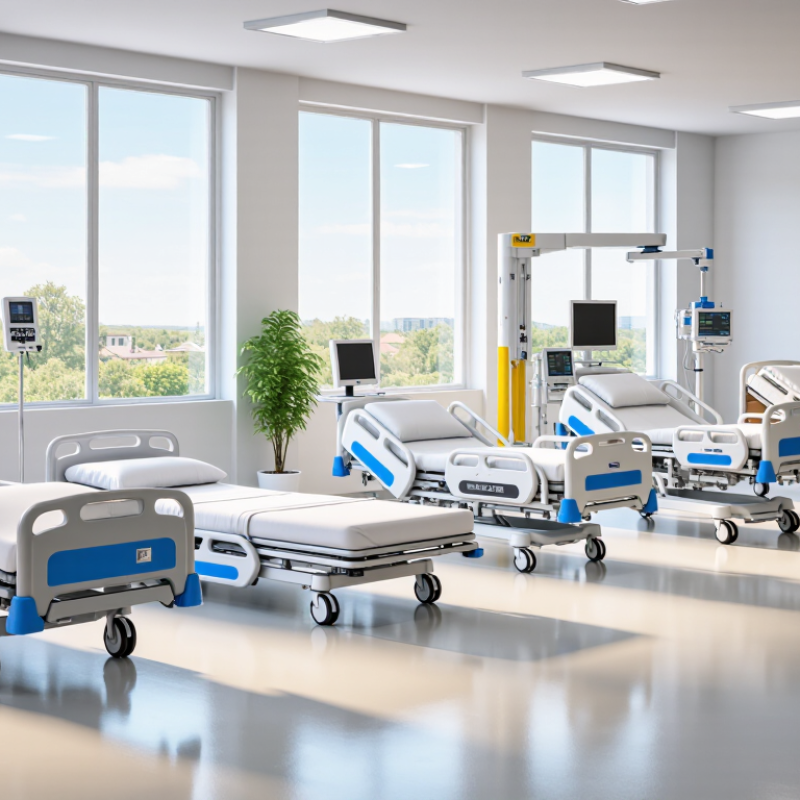
A multi-functional nursing bed supports positioning, transfers, hygiene, monitoring, and pressure management. It is more than an adjustable mattress platform. Typical systems include electric backrest and knee elevation, height adjustment, lockable casters, side rails, and emergency positioning. Some models add integrated weighing, pressure-relief surfaces, or digital alerts. In practice, nurses value predictable controls more than excessive features. A crowded control panel can create mistakes.
The need is growing. The United Nations World Social Report 2023 projects that the global population aged 65 and above will reach 1.6 billion by 2050. The World Health Organization also states that one in six people globally will be aged 60 or older by 2030. These figures support demand for safer long-term care and home nursing equipment. The leading 2026 types include electric five-function beds, low-height fall-prevention beds, bariatric beds, ICU-grade beds, and compact homecare beds. Each type serves a different risk profile.
Electric five-function beds suit patients needing frequent posture changes and assisted transfers. Low beds reduce injury severity during some falls. Bariatric designs require stronger frames and wider sleeping surfaces. ICU-grade beds support intensive monitoring and rapid access. Homecare beds emphasize quiet motors, simple cleaning, and room-sized dimensions. However, a higher function count does not guarantee better care. Assessment of mobility, skin condition, caregiver skill, and room space remains essential. This point is sometimes underestimated. Safety standards and clinical training should guide final selection.
| Bed Type | Typical Adjustments | Primary Role | Common Care Settings | Key Patient Benefits | Important Safety Features | Typical Care Level |
|---|---|---|---|---|---|---|
| Basic Two-Function Electric Bed | Backrest elevation and knee or leg elevation; overall height may be fixed or manually adjusted. | Provides essential positioning for rest, feeding, transfers, and routine nursing care. | Home care, assisted living, rehabilitation rooms, and general wards. | Improves comfort, supports easier repositioning, and may reduce prolonged flat positioning. | Lockable casters where fitted, side rails or assist handles, hand control, and emergency lowering provisions according to the model. | Low to moderate dependency |
| Three-Function Electric Nursing Bed | Backrest, knee or leg section, and overall bed-height adjustment. | Supports daily nursing tasks while improving transfer height and caregiver ergonomics. | Hospitals, nursing homes, home nursing, and post-acute care. | Easier entry and exit, improved working height for caregivers, and more flexible positioning. | Central or individual braking, adjustable side rails, pinch-point protection, and accessible pendant controls. | Moderate dependency |
| Four-Function Electric Nursing Bed | Backrest, knee section, overall height, and usually a coordinated head-and-knee or Trendelenburg-related function, depending on configuration. | Combines routine nursing support with broader clinical positioning options. | Medical-surgical wards, rehabilitation units, long-term care, and home care. | Offers more precise posture changes, improved comfort, and better access for examinations and procedures. | Mechanical angle indicators, lockable casters, secure side rails, battery backup on selected models, and emergency release functions. | Moderate to high dependency |
| Five-Function or Advanced Electric Bed | Independent adjustment of backrest, knee section, height, Trendelenburg or reverse Trendelenburg, plus additional positioning or tilt functions. | Provides comprehensive positioning for complex care, frequent transfers, and clinical procedures. | Acute-care hospitals, rehabilitation centers, high-dependency rooms, and specialist care areas. | Supports respiratory positioning, pressure redistribution strategies, patient handling, and access for clinical interventions. | Angle displays, integrated controls, CPR quick release, power-failure battery backup, safe working load labeling, and enhanced rail protection. | High dependency |
| Low-Height Fall-Prevention Bed | Electric backrest and knee adjustment with an unusually low minimum deck height; height range varies by design. | Reduces the distance to the floor for patients at risk of falling or attempting unsupervised bed exits. | Geriatric wards, dementia care, long-term care, rehabilitation, and home care. | May reduce fall-related injury severity and allows a raised position for safer care and transfers. | Low-height setting, impact-absorbing design on selected models, bed-exit monitoring compatibility, and appropriately designed side supports. | Moderate to high dependency |
| Bariatric Multi-Functional Bed | Powered backrest, knee, height, and sometimes Trendelenburg adjustment; wider mattress platform and reinforced frame. | Provides safe positioning and transfers for users requiring higher width and load capacity. | Hospitals, long-term care facilities, bariatric units, and supported home care. | Improves stability, comfort, repositioning space, and compatibility with patient-handling equipment. | Clearly stated safe working load, reinforced side rails, heavy-duty locking casters, wider support surfaces, and compatible lifting equipment. | High dependency or higher body-weight support |
| ICU and Critical-Care Bed | Multiple powered positions, cardiac chair position, Trendelenburg and reverse Trendelenburg, integrated weighing on selected models, and radiolucent or imaging-compatible options. | Supports critically ill patients, intensive monitoring, emergency access, respiratory care, and complex procedures. | Intensive care units, cardiac care units, trauma units, and specialized critical-care rooms. | Enables rapid repositioning, improved clinical access, early mobilization support, and reduced need for manual lifting. | CPR release, emergency power backup, integrated scales where available, fifth-wheel steering on selected designs, secure equipment supports, and advanced rail controls. | Critical care |
| Pediatric Multi-Functional Bed | Adjustable backrest, knee section, height, and enclosed or specialized side protection designed for children. | Provides age-appropriate positioning, observation, treatment access, and protection against unsafe bed exits. | Children’s hospitals, pediatric wards, rehabilitation facilities, and specialized home care. | Improves comfort and positioning while helping caregivers perform examinations and routine care safely. | Secure access panels or rails, rounded surfaces, entrapment-risk controls, appropriate mattress sizing, and child-resistant controls where required. | Variable; depends on age and clinical condition |
| Home-Care Multi-Functional Bed | Usually powered backrest, knee section, and height adjustment; optional over-bed table, side rails, trapeze, and battery backup. | Adapts a bedroom environment for long-term illness, recovery, disability, or end-of-life care. | Private homes, hospice care, community nursing, and residential care. | Supports independence, caregiver access, comfortable rest, safer transfers, and daily living activities. | Compact footprint, lockable wheels, easy-to-clean surfaces, emergency lowering, stable side supports, and clear safe working load information. | Low to high dependency |
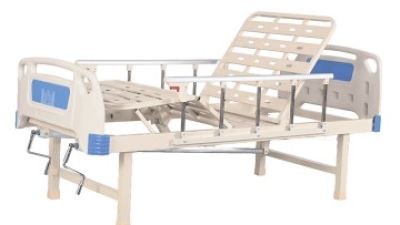
The Manual Two-Crank Hospital Bed HR-S29 is designed to support practical patient care in hospitals, clinics, and long-term care facilities. Measuring L2050 × W960 × H500 mm, its proportions provide a stable sleeping surface while allowing healthcare workers to operate it in space-conscious environments. The two manual cranks can be used to adjust key bed functions without relying on electrical power, making the model suitable for facilities that value straightforward operation and dependable daily maintenance.
From a healthcare-planning perspective, the HR-S29 reflects priorities frequently emphasized in WHO guidance, including patient safety, infection-control awareness, accessibility, and appropriate use of medical equipment. Its manual configuration may also help reduce dependence on power outlets and simplify routine servicing. Industry analysis, including reports from Grand View Research, has identified continuing demand for hospital beds that combine essential functionality, cost awareness, and suitability for expanding healthcare infrastructure. In this context, a manually operated bed can offer a practical option for institutions managing different levels of care.
The HR-S29 can be considered for general wards, examination areas, recovery rooms, and other clinical settings where adjustable positioning and durable construction are important. Its 500 mm height provides a balanced platform for transfers and bedside care, while the 960 mm width supports patient comfort without requiring excessive floor space. Selection should be matched with facility protocols, caregiver needs, room layout, and applicable medical-device requirements.
It should adjust height, backrest, knees, and leg positions independently. Simple controls are safer. Confusing buttons can delay care.
Raising the bed reduces deep bending during dressing changes or personal care. Lowering it can reduce transfer height. Small height changes matter.
Check side-rail locking, caster brakes, low-height positioning, and clear floor space. The bed should remain stable during transfers. Test everything.
Verify the tested safe working load, including the person, mattress, accessories, and movement. A wide surface can improve comfort. It can also restrict staff access.
Measure doorways, turning space, and access beside the bed before purchase. A large frame may not pass through a narrow doorway. This mistake is easily overlooked.
No bed can replace repositioning, moisture control, and regular skin checks. Pressure-redistributing mattresses may help. Observation remains essential.
Useful features include lateral rotation, angle indicators, emergency controls, weighing systems, and bed-exit alerts. CPR release should work quickly. Alarms can still mislead.
Staff should test caster control, side-rail locks, alarm visibility, cleaning access, and emergency release speed. They should compare sensor readings with patient observations. Training needs repetition.
In 2026, a Multi Functional Nursing Bed is more than a place to rest; it is an essential support tool for patient comfort, caregiver efficiency, and safer daily care. Modern designs commonly include electric height adjustment, backrest and leg elevation, side rails, easy-to-clean surfaces, and smooth mobility. These features help users change position, reduce physical strain, and support personal hygiene, feeding, recovery, and routine nursing tasks.
Different bed types meet different care needs. Electric adjustable beds are suitable for everyday home or facility care, while bariatric beds provide stronger frames and wider sleeping surfaces for users with higher weight requirements. ICU beds offer advanced positioning and support for patients needing closer observation. Home-care beds focus on long-term recovery and practical family assistance. Smart nursing beds add connected alerts, safety monitoring, pressure management, and fall-prevention functions, making care more responsive. Together, these solutions reflect a shift toward flexible, safer, and more patient-centered nursing in 2026.