Leave Your Message
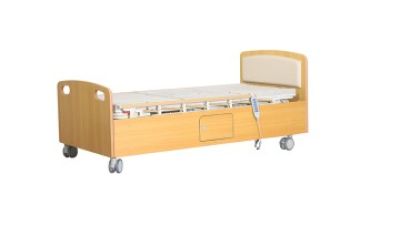
Choosing a Home Care Bed For Elderly relatives requires more than comparing prices and mattress sizes. The right bed should support safer movement, comfortable rest, and practical daily care. It must also fit the person, room, and caregiving routine.
A useful decision begins with real observations. Can the user sit up without sliding? Is the bedroom floor level and uncluttered? Will a caregiver need adjustable height during bathing, dressing, or repositioning? Features such as electric adjustment, side rails, locking casters, and a pressure-relieving mattress can affect comfort and safety. However, every feature deserves careful review. A rail may support repositioning, but it can also create risks when poorly fitted or misused.
This guide presents seven practical tips for selecting a Home Care Bed For Elderly users. It considers body weight, mobility, mattress compatibility, cleaning, noise, emergency lowering, and long-term maintenance. Advice from healthcare professionals should guide users with falls, pressure injuries, dementia, or complex medical needs. Manufacturer instructions also matter. They are not exciting, but they prevent expensive mistakes.
Real homes are rarely perfect. Doorways may be narrow. Power outlets may sit too far away. A quiet motor can still disturb light sleepers at night. The most attractive model may not be the safest choice. Even experienced families can overlook transfer space beside the bed. Careful measurement, trial use, and honest discussion with the user often reveal what specifications cannot. Comfort matters. So does dependable support.

7 Tips for Choosing a Home Care Bed for Elderly
Understand the older person’s care routine before choosing a bed. Can they turn, sit, stand, or transfer safely? A person who walks with a frame may need a lower height. Someone needing full assistance may require adjustable back and leg sections. During home-care assessments, I look at morning transfers, nighttime toileting, and caregiver posture. These details often matter more than appearance. Tip 1: Measure the room, doorway, and turning space beside the bed. A wide frame may block a wheelchair or bedside commode.
Tip 2: Match the mattress and bed functions to medical guidance. Pressure-relieving support may help someone who spends long hours in bed, but it cannot replace regular repositioning. Tip 3: Check whether the controls are simple and reachable. Confusing buttons can reduce independence. Tip 4: Choose secure rails carefully. Rails may assist repositioning, yet they can also create risks for people who climb over them or become disoriented.
Tip 5: Watch a real transfer before deciding. The feet should meet the floor, and the caregiver should avoid twisting. Tip 6: Consider a High-Quality Home Care Bed For Elderly with smooth height adjustment, stable casters, and easy cleaning. Tip 7: Ask a qualified therapist or nurse to review the setup. A bed can look suitable but still cause shoulder strain, sliding, or poor breathing position. I would also reassess after a week, because needs change, sometimes quietly.
| Tip | Decision Focus | Care or Mobility Need | Useful Bed Features | What to Check Before Purchase |
|---|---|---|---|---|
| 1 | Assess the user Match the bed to daily care needs | Consider whether the older adult can turn, sit up, stand, transfer, or walk independently. Also note conditions such as weakness, arthritis, stroke-related impairment, or limited balance. | An adjustable backrest, knee section, and suitable height range can support repositioning, transfers, feeding, and personal care. | Ask a healthcare professional or occupational therapist to assess posture, transfers, pressure-injury risk, and the level of caregiver assistance required. |
| 2 | Choose the right height Support safe transfers and caregiving | A person who can stand may need a lower entry height for safer bed-to-floor transfers. Caregivers may need a higher working position to reduce bending during care. | A height-adjustable frame can accommodate different users and care tasks. A low-height setting may help reduce injury risk from falls, when clinically appropriate. | Confirm the minimum and maximum deck height, adjustment method, stability at each height, and whether the selected mattress remains within the recommended range. |
| 3 | Prioritize mobility Make movement and transfers easier | Some users need help getting in and out of bed, while others need support with repositioning or short-distance movement within the room. | Lockable casters, a firm mattress platform, a suitable grab handle, and compatible transfer aids may improve mobility. Side supports can help when properly positioned. | Check that wheels lock securely, the bed does not move during transfers, and any grab rail or support handle is compatible with the bed and used according to instructions. |
| 4 | Consider pressure care Reduce prolonged pressure and shear | Limited mobility, incontinence, poor nutrition, reduced sensation, and long periods in bed can increase the risk of pressure injuries. | Independent head and knee adjustments can support repositioning. A pressure-redistributing mattress may be needed as part of an overall prevention plan. | Select the mattress with clinical guidance. Check its weight limits, dimensions, cover cleaning instructions, ventilation, and compatibility with the bed’s adjustable positions. |
| 5 | Review safety controls Prevent avoidable hazards | Confusion, dementia, poor vision, reduced strength, or a tendency to climb over rails can increase the risk of falls, entrapment, or misuse. | Easy-to-use controls, emergency lowering where available, rounded components, secure brakes, and appropriately designed side supports can improve safety. | Avoid using side rails as automatic fall-prevention devices. Confirm that gaps, rails, mattress dimensions, and accessories follow applicable safety requirements and professional advice. |
| 6 | Check room fit Plan the surrounding space | The bed must allow the user and caregiver to move safely without blocking doors, heating equipment, bathroom access, or emergency routes. | A suitable overall length and width, smooth caster movement, and a design that accommodates bedside equipment can improve room access. | Measure the room, doorways, lifts, and turning areas. Include the bed’s full extension, side rails, mattress, bedside table, walking aid, and caregiver working space. |
| 7 | Plan for long-term use Balance comfort, maintenance, and support | Needs may change over time because of recovery, progression of illness, increased caregiver support, or changing transfer ability. | Modular accessories, a durable frame, washable surfaces, quiet electric adjustment, and readily available replacement parts can improve practical value. | Verify the safe working load, electrical requirements, cleaning process, warranty terms, service availability, assembly method, and user-training instructions. |
As populations age, the need for safe, adaptable home-care equipment continues to grow. Discussions from the WHO on healthy ageing, together with market insights from Grand View Research, highlight the importance of supporting independence, reducing caregiver strain, and improving daily comfort. Home electric integral turning care beds respond to these needs by combining multiple care functions in one practical design for people with limited mobility.
Equipped with four motors, the bed provides electric left- and right-side turning, standing assistance, leg lifting, and toilet-seat conversion. Its intelligent integral side-flip system uses a three-fold sinking structure to turn the entire bed smoothly in either direction. Caregivers can adjust the angle according to individual needs, while the timed turning function offers 30- or 45-minute settings to support regular repositioning and help improve nighttime care routines.
The bed also incorporates anti-slip back lifting and pressure-reduction features. As the backrest rises, both side boards move inward to create a semi-enclosed position, helping reduce the risk of the user leaning sideways. Meanwhile, the lower back section gradually moves backward during elevation, easing pressure on the abdomen and allowing a more comfortable sitting posture. Together, these functions offer a flexible solution for home nursing, daily repositioning, personal hygiene, and assisted mobility.
Watch how they turn, sit, stand, and transfer. Note morning transfers and nighttime toileting. A person using a walking frame may need a lower bed height. Someone needing full assistance may need adjustable back and leg sections. Needs can change quietly.
Measure the room, doorway, bed platform, and turning space. Leave enough room beside the bed for a wheelchair or bedside commode. Check the mattress length, width, and permitted thickness. A wide frame may block essential movement. Small gaps matter.
Match the mattress with the bed’s adjustable sections. A profiling bed needs a flexible mattress. A rigid mattress may slide or fold when the backrest moves. Check the allowed weight capacity carefully. Include body weight, bedding, and medical equipment.
Foam, air, gel, and hybrid mattresses provide different support. Memory foam can distribute weight steadily. Alternating-air systems change pressure points over time. Gel layers may feel cooler, but they are not suitable for everyone. Regular repositioning and skin checks remain necessary.
Look for adjustable height, stable casters, secure rails, and a firm platform. Check whether the rails lock reliably after repeated use. Rails should support movement without creating dangerous gaps. A low position may reduce fall impact. Do not trust appearance alone.
A raised bed can reduce back strain during dressing and repositioning. Caregivers should avoid twisting while helping someone transfer. The user’s feet should reach the floor during transfers. Keep both sides accessible when possible. Caregiver posture matters.
No. A rail may support one person but increase climbing risks for another. Disorientation and poor judgment require careful assessment. Check rail gaps and locking points regularly. Have a nurse or qualified therapist review the setup. One solution rarely fits everyone.
Test the hand control, emergency lowering system, wheels, rails, and electrical cord. Use the actual person, not only an empty mattress. Raise and lower the bed with the mattress in place. Listen for pump noise, especially near light sleepers. I once underestimated that detail. Recheck everything after several days.
Choosing the right Home Care Bed For Elderly starts with understanding the user’s health, mobility, comfort, and level of daily assistance. Consider whether they need adjustable height, back or leg elevation, side supports, or easier transfers. Before buying, measure the room, doorways, and available space to ensure safe placement and caregiver access. Compare different bed types, adjustment options, and support features, while confirming that the mattress is compatible and offers suitable pressure-relief benefits.
Safety and practical use are equally important. Look for stable construction, secure controls, suitable side rails, and a design that allows caregivers to provide assistance without unnecessary strain. The bed should also be easy to clean, maintain, and operate every day. Finally, review the total budget, product quality, warranty coverage, delivery arrangements, and any installation requirements. A careful evaluation of these factors can help families select a dependable bed that supports comfort, safety, dignity, and effective home care.