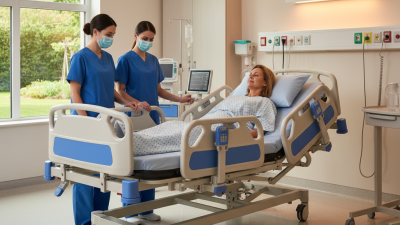
You know, the Intensive Care Bedreally is a key player in today’s healthcare world. According to the World Health Organization, there are about 2.1 million Icu Beds around the globe, but surprisingly, many regions still face a pretty serious shortage. These beds aren’t just any beds—they’re specially designed to give crucial support to folks battling severe illnesses or injuries. They come packed with advanced tech that keeps an eye on vital signs and helps deliver important treatments when every second counts.
Lately, reports from MarketsandMarkets say that the market for these ICU beds is expected to hit around $3.2 billion by 2025. That kind of growth just shows how much we need better and better patient care facilities. But it’s not just about the fancy gadgets; good design really matters too—it should make patients more comfortable and aid their recovery. One thing I’ve noticed, though, is that way too often, staff don’t get enough training on how to operate these beds properly, which means they’re not used to their full potential.
Many hospitals find it tricky to strike a good balance between integrating new technology and focusing on patient-centered care. It takes ongoing assessment and a willingness to adapt to truly improve how these beds are used. The way ICU practices are changing shows that we’re making progress, but there’s definitely still room for improvement. All these little things really highlight just how complex and delicate the world of critical care can be.
What is an Intensive Care Bed?
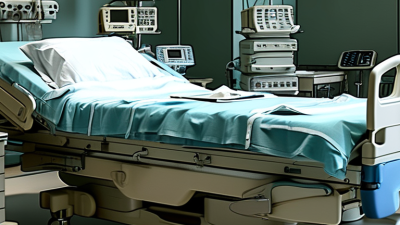
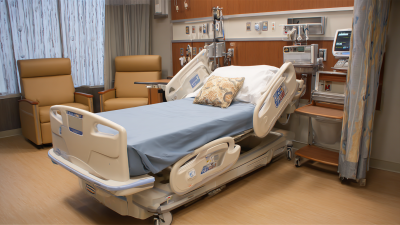
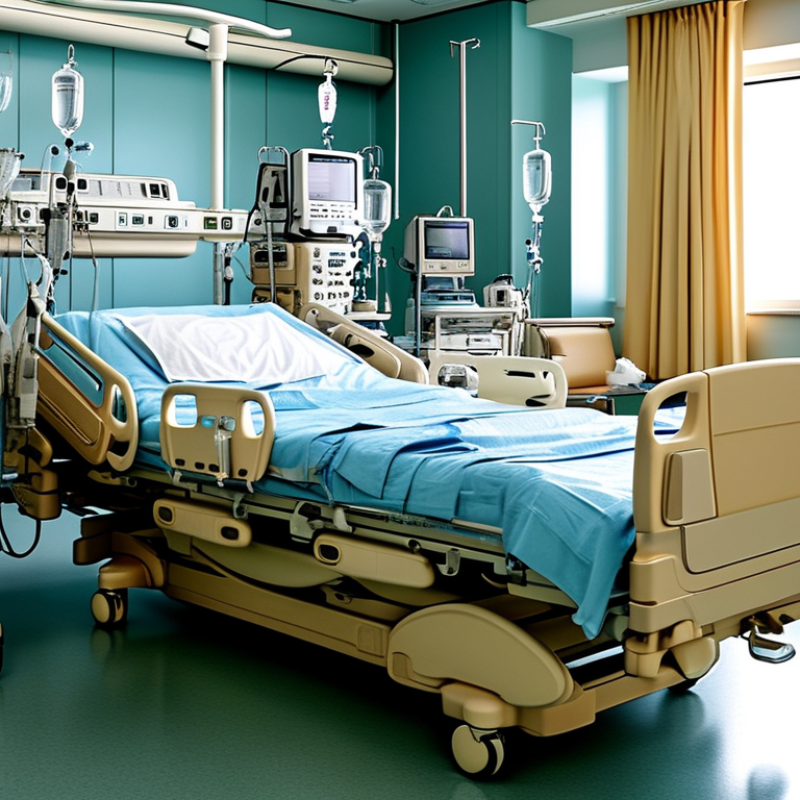
An Intensive Care Bed is a specialized hospital bed designed for patients needing critical care. These beds provide advanced support and monitoring for those with severe health conditions. The design includes features like adjustable height, tilt functions, and side rails for patient safety. Each bed can accommodate various medical equipment necessary for monitoring vital signs closely.
Medical staff relies on the Intensive Care Hospital Bed for efficient patient care. These beds often come equipped with built-in screens that display important health data. Nurses can easily access patient information and respond quickly to any changes. Moreover, the beds enable optimal positioning for patients, helping in comfort and recovery.
However, some aspects of these beds require constant reflection. The technology is advanced but may not always work perfectly. Malfunctions can occur, leading to potential risks. It's crucial for healthcare professionals to regularly check and maintain these beds to ensure reliable performance. Understanding the limitations is as important as recognizing the benefits these beds offer.
Key Features of Intensive Care Beds
Intensive Care Beds are vital in healthcare. They offer unique features designed for patients who need close monitoring. Most beds include adjustable height, enabling caregivers to provide appropriate care. They also have side rails, which enhance patient safety. Many models come with built-in weighing scales for easy monitoring. According to a report by the World Health Organization, proper equipment in critical care units can reduce patient complications by up to 30%.
Another key feature is the ability to adjust the bed's position. This helps improve patient comfort and aligns with clinical protocols. Healthcare facilities often seek beds that support pressure relief and minimize the risk of ulcers. The right Intensive Care Unit Bed can significantly impact the recovery process.
Tips: Regular maintenance of these beds is crucial. Ensure that all mechanical components are functioning correctly. Train staff on bed operation to maximize benefits. Always prioritize patient safety with proper usage. This helps reduce errors and enhances recovery outcomes in high-stakes environments.
How Intensive Care Beds Support Patient Monitoring
Intensive care beds are designed for critical patients who require close monitoring. They support advanced technology to manage health status effectively. These beds often feature adjustable positions, allowing for comfort and better access for medical professionals. The design supports both patient care and therapeutic interventions.
Monitoring is a key function of intensive care beds. Sensors are built into the bed to track vital signs like heart rate and oxygen levels. This data is sent in real-time to healthcare teams. Continuous feedback enables prompt response to changes in a patient's condition. However, the reliance on technology can sometimes overshadow direct patient interaction.
Moreover, while these beds provide essential support, they also have limitations. For instance, their complexity can lead to technical issues. These can create delays in patient care. It's crucial for medical staff to balance technology use with hands-on care. This ensures that patients receive both high-tech monitoring and empathetic treatment.
Types of Intensive Care Beds and Their Uses
Intensive care beds are specialized medical equipment that cater to critically ill patients. They offer essential features that aid in monitoring and treatment. Each type of intensive care bed serves a unique purpose, enhancing patient care during challenging times.
One common type is the electric ICU bed. This bed allows for easy height adjustments. Medical staff can reposition patients without risking injury. Another type is the bariatric bed. These beds support heavier patients, ensuring comfort and safety. They have wider frames and stronger structures. Adjustable side rails are also a common feature, preventing falls.
However, there are challenges associated with these beds. Not all hospitals may have enough beds to meet patient demands, leading to difficult decisions. In some cases, understaffed departments may struggle to use these beds effectively. Ensuring proper training on their features remains crucial. This can improve patient outcomes, particularly in times of high stress.
How Intensive Care Beds Facilitate Patient Treatment
Intensive care beds are essential for patient treatment in critical care units. These beds are designed with advanced features that support life-saving interventions. They often include adjustable height, tilt functions, and specialized cushioning. These functions allow healthcare providers to position patients optimally for both comfort and treatment accessibility. Reports indicate that a well-designed intensive care bed can improve patient outcomes by up to 20%.
High-Quality Intensive Care Beds facilitate monitoring and rapid response to patient needs. They are equipped with integrated monitoring systems that track vital signs in real-time. This connectivity ensures that medical staff can quickly react to changes in a patient’s condition. Many hospitals also utilize advanced pressure management systems to prevent bedsores. This feature alone has been shown to reduce pressure ulcers by 30%, highlighting its importance in patient care.
A critical reflection is necessary regarding the maintenance of these beds. Proper cleaning and regular functionality checks are vital to ensure the equipment remains reliable. Some hospitals face challenges in consistently maintaining high-standards for intensive care beds due to budget constraints. Investing in staff training on the use of these beds can enhance their efficacy in treatment. Focus on creating an environment where every detail contributes to better patient outcomes.
Technological Innovations in Intensive Care Bed Design
The design of intensive care beds has evolved significantly due to technological innovations. Modern intensive care beds are now equipped with advanced monitoring systems. These systems can track vital signs in real-time. According to a report by the Global Healthcare Beds Market, the demand for High-Quality Intensive Care Hospital Beds is rising annually, driven by improvements in life-support technology.
New features enhance patient comfort and care. For instance, bed adjustments can be automated, allowing quick repositioning. This decreases pressure sores and improves circulation in bedridden patients. However, the complexity of these technologies can be overwhelming. Healthcare providers must be trained adequately to utilize these advanced systems effectively.
While benefits are apparent, there are challenges with these innovations. Technical malfunctions can lead to critical situations. Additionally, the high cost of high-quality intensive care hospital beds can be restrictive for many facilities. Balancing cost and quality remains a pressing issue for healthcare administrators. Proper integration of technology is essential, but the human element must also not be overlooked. It is a continuous learning process in the field of intensive care.
The Importance of Intensive Care Beds in Healthcare Settings
Intensive care beds play a crucial role in healthcare settings. These specialized beds are designed to support patients with severe medical conditions. They come equipped with advanced features that allow healthcare professionals to monitor vital signs closely. This capability is essential for timely interventions. In critical care situations, every second counts, and these beds ensure that patients receive the attention they need.
Maintaining and utilizing intensive care beds requires expertise. Medical staff must be trained to operate the advanced technology associated with these beds. They also need to assess the comfort and positioning of each patient regularly. Proper positioning can prevent complications like bedsores. This is an area where healthcare providers must constantly improve.
Some tips can enhance the use of intensive care beds. Regular maintenance is vital to ensure they function correctly. Healthcare facilities should invest in ongoing staff training. This helps in familiarizing staff with new features and technology. Also, it's important to regularly review patient needs and bed functions. This allows for adjustments that cater specifically to the patient's comfort and medical requirements. Remember, the goal is to create a healing environment that promotes recovery.
What is an Intensive Care Bed and How Does it Work?
| Feature | Description | Importance |
| Adjustable Height | Can be raised or lowered for better access by staff. | Facilitates ease of care and minimizes strain on healthcare providers. |
| Variable Positioning | Allows for different positions like sitting, reclining, or lying flat. | Enhances patient comfort and aids medical procedures. |
| Integrated Monitors | Includes vital sign monitors integrated into the bed. | Allows constant monitoring of patient health status. |
| Maneuverability | Wheeled for easy movement within the ICU. | Enables quick transportation of patients as needed. |
| Supports Advanced Therapeutics | Compatible with ventilation and dialysis equipment. | Essential for critical care interventions. |
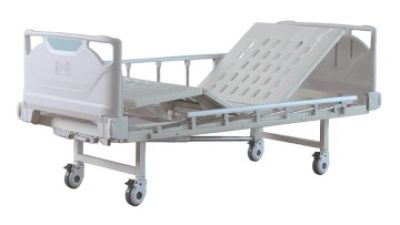
Enhancing Patient Care with the Manual Two Cranks Hospital Bed HR-S18: A Comprehensive Overview
The Manual Two Cranks Hospital Bed HR-S18 is engineered to significantly enhance patient care, combining functionality with a focus on comfort. Measuring L2050*W960*H500mm, this bed is designed to meet the diverse needs of healthcare facilities. With the rising demand for patient-centered care in hospitals, the HR-S18 addresses core concerns such as mobility, safety, and ease of use, which are essential for both patients and healthcare providers.
According to the World Health Organization, effective patient care environments contribute to better health outcomes, illustrating the importance of properly designed hospital beds. The HR-S18 model supports manual adjustments that give caregivers the ability to provide customized positions for patients, promoting dignity and comfort. This is crucial, as research indicates that proper bed positioning can prevent complications such as pressure ulcers, which affect up to 30% of immobile patients. Moreover, the optimal size of 2050mm in length allows for adequate space to accommodate patients of varying sizes while ensuring stability and safety during care.
The thoughtful design of this bed not only supports medical procedures but also enhances the overall patient experience. Enhanced functionality leads to more effective treatment, fulfilling the standards set forth by healthcare professionals. As such, adopting a model like the HR-S18 could be a pivotal step in elevating the quality of patient care in various healthcare settings, affirming the move towards more supportive and adaptable hospital environments.
FAQS
: An Intensive Care Bed is designed for critical patients needing advanced support and monitoring.
They provide built-in screens to display health data and allow quick access to patient information.
Features include adjustable height, tilt functions, and side rails for added safety and comfort.
Sensors track vital signs like heart rate and oxygen levels in real-time, enabling prompt medical response.
Technical malfunctions can occur, leading to potential delays in patient care and complicating treatment.
They must ensure that high-tech monitoring does not overshadow direct patient interaction and empathetic care.
The complexity of technology requires healthcare providers to be well-trained to use these advanced systems effectively.
While helpful, their complexity can lead to issues, and high costs can restrict access for some facilities.
Automated adjustments decrease pressure sores and improve circulation in bedridden patients, aiding recovery.
Balancing the integration of technology with the human element of patient care remains a critical ongoing process.
Conclusion
An Intensive Care Bed is a specialized hospital bed designed to support critically ill patients requiring close monitoring and care. These beds are equipped with various key features, such as adjustable height, side rails, and advanced positioning controls, which facilitate patient comfort and safety. They play a crucial role in patient monitoring by accommodating multiple medical devices that track vital signs and other health indicators, ensuring that healthcare providers can respond quickly to any changes in a patient's condition.
Moreover, Intensive Care Beds come in different types that serve specific medical needs, enhancing the treatment process for diverse patient populations. Recent technological innovations in the design of these beds have further improved their functionality, integrating smart systems that enable better data collection and analysis. In summary, the importance of Intensive Care Beds in healthcare settings cannot be overstated, as they are essential for delivering high-quality care to patients in critical situations.