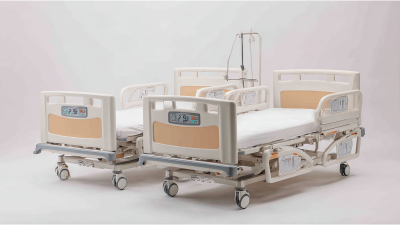
When you're trying to pick a top-tier China manufacturer for a multi-functional Nursing Bed, it’s definitely more than just comparing prices or checking out the number of features. You really need to understand the clinical side of things, have a sense of good manufacturing practices, and pay attention to real-world daily care needs. A good multi-functional nursing bed should support safe repositioning, easy height adjustments, back and leg elevation, and pressure relief routines—all working smoothly even during those late-night, exhausted shifts.
Dr. Barbara Bates-Jensen, a well-respected expert on pressure injuries, often says, “Prevention starts with careful skin checks and regular repositioning.” Her point really hits home when we think about why the design of the bed actually matters. A solid manufacturer will ensure their engineering aligns with how nurses move and work. Keep an eye on the caster locks, notice what the hand-control symbols look like, and see if the mattress platform stays steady when you adjust it. These small details are actually super important—especially if someone’s working solo and needs things to go smoothly.
Top manufacturers, like China Top Multi Functional Nursing Bed Manufacturer, should also provide traceability for their materials, documented testing results, responsive customer service, and consistent quality standards in production. But don’t just rely on glossy brochures—they’re not enough. It’s smart to ask for factory evidence, get feedback from users, find out about maintenance tips, and make sure warranty details are crystal clear. Sometimes, a bed might look high-tech but feels awkward or awkward to actually use—so be honest with yourself about that.
At the end of the day, the best choice isn’t necessarily the model with the most buttons or fancy features. Instead, it’s the one that makes transferring patients easier, helps preserve their dignity, and stays reliable after repeated use. A trustworthy multi-functional nursing bed is one that truly serves everyone involved—patients, nurses, hospitals, and even families caring for loved ones at home. Its real worth shows in quiet moments: smoother transfers, safer turns, and a little less back-breaking work for caregivers.
What Is a Multifunctional Nursing Bed?
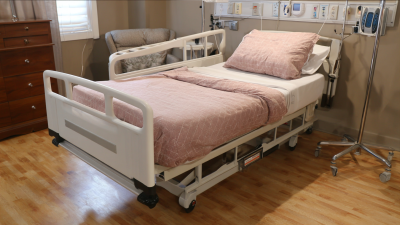
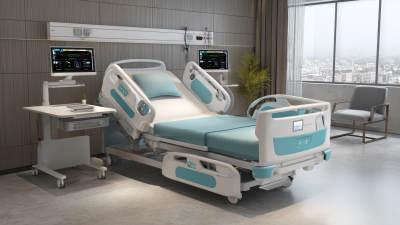
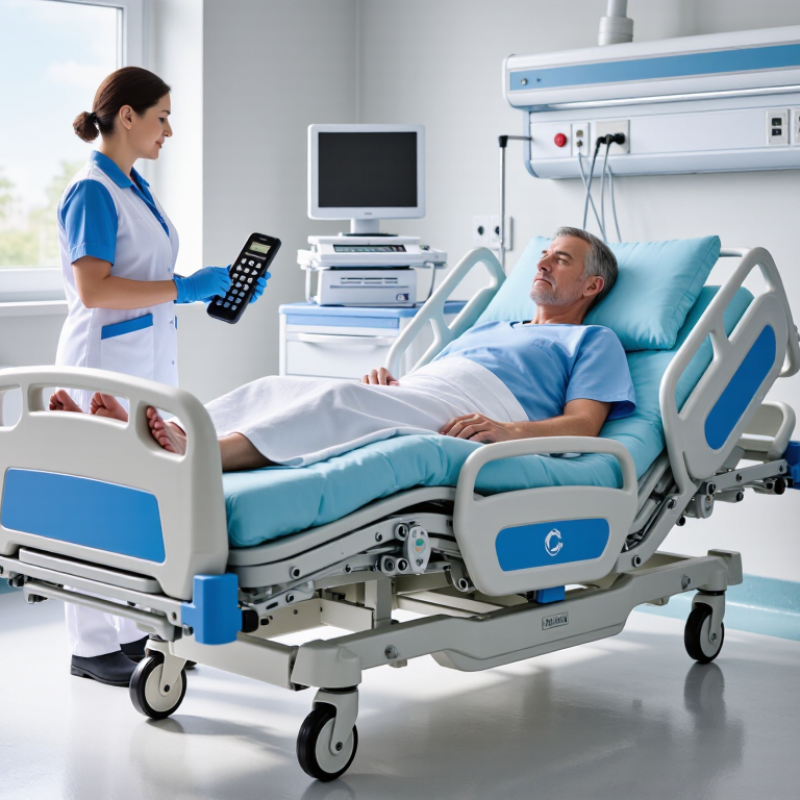
A multifunctional nursing bed is a medical-care bed designed to support changing patient needs. It usually adjusts the backrest, leg section, and overall height. Some models also provide lateral tilt, a built-in weighing system, or emergency positioning. These movements can help with eating, sleeping, wound care, and safe transfers. They may also reduce strain on caregivers during daily routines.
A High-Quality Multi Functional Nursing Bed should move smoothly and stop accurately. Its hand control needs clear symbols, responsive buttons, and protection against accidental operation. Lockable casters help keep the bed steady near a chair or bathroom. Split side rails can reduce fall risks, but incorrect use may create dangerous gaps. Staff should check the user’s size, mobility, and medical condition before choosing rail settings.
Practical details matter. A quiet motor is less disturbing at night. A washable mattress platform supports better hygiene. Rounded corners, sealed controls, and easy-to-clean surfaces simplify infection-control work. The frame should state its safe working load clearly. Electrical protection and mechanical testing documents also deserve careful review.
Not every feature is useful for every resident. More functions can mean more training, maintenance, and confusion. That weakness is easy to overlook. In real care environments, caregivers should test the controls, brakes, transfer height, and emergency access before regular use. A bed can assist care, but it cannot replace proper assessment or attentive supervision.
Why China Leads Multifunctional Nursing Bed Manufacturing
Why China Leads Multifunctional Nursing Bed Manufacturing
China’s lead begins with demand, not slogans. The National Bureau of Statistics reported 310 million people aged 60 or above in 2024. That represented about 22% of the population. This large care market gives factories constant feedback from hospitals, caregivers, and families. A side rail must lock firmly. A handset must remain readable in dim rooms. These details influence product revisions. The WHO Global Report on Ageing and Health supports person-centered, safe care. Chinese production increasingly reflects this through adjustable heights, quieter motors, and easier transfer points.
A capable Multi Functional Nursing Bed Manufacturer also benefits from clustered engineering. Steel processing, medical motors, control systems, casters, and testing services often operate within connected regional supply chains. This structure can shorten tooling cycles and support practical customization. The UN World Social Report 2023 projects 1.6 billion people aged 65 or older by 2050. Demand will therefore favor reliable care equipment, not only lower prices. Still, China’s advantage is not automatic. Some suppliers need stronger after-sales training and clearer documentation.
Tips: Ask for load-test records, electrical safety evidence, and cleaning instructions. Check compliance with IEC 60601-2-52 where applicable. Test the bed beside a real mattress and wheelchair. A polished sample can hide awkward controls. Dig deeper.
Key Features of Modern Nursing Beds
Modern nursing beds support safer, more responsive care in homes, clinics, and long-term facilities. Their value depends on practical design, not impressive specifications alone. In hands-on care settings, adjustable height makes transfers easier and reduces unnecessary bending. A multi-position backrest can help residents sit up for meals, conversations, or breathing comfort. Small details matter.
Reliable nursing beds often include independent head, knee, and height adjustments. These functions allow caregivers to match the bed to changing needs throughout the day. Lockable casters improve stability during transfers, while side rails may offer useful support when designed and used correctly. However, rails are not suitable for every resident and require professional assessment. Overlooking this point can create avoidable risks.
Modern models should also provide a firm, cleanable surface and durable movement controls. Emergency lowering features can be valuable when rapid access is needed. Easy-to-read controls reduce confusion for older users and busy caregivers. Noise levels deserve attention too; a loud motor may disturb sleep. Electrical protection, weight capacity, and maintenance access should be verified before purchase. A bed can look advanced yet feel awkward in daily use. Careful testing with real users remains more convincing than a sales sheet.
Key Features of Modern Nursing Beds
The chart presents representative maximum adjustment angles commonly found in modern electric nursing beds. Backrest and knee elevation support patient positioning, while Trendelenburg and reverse Trendelenburg functions assist with clinical care and comfort. Exact specifications vary by bed design and clinical application.
How to Evaluate a Chinese Nursing Bed Manufacturer
China Top Multi Functional Nursing Bed Manufacturer?
How to Evaluate a Chinese Nursing Bed Manufacturer
China’s ageing population makes manufacturer evaluation more important than catalog comparison. The National Bureau of Statistics reported 216.76 million people aged 65 or above in 2023. The figure represented 15.4% of the population. WHO and UNICEF estimated that over 2.5 billion people need assistive products worldwide. This number may reach 3.5 billion by 2050.
Check whether the manufacturer operates a controlled production system. Ask for valid ISO 13485 certification, factory audit records, and traceable component documents. For electric nursing beds, review testing against IEC 60601-2-52, where applicable. Inspect the actual welding points, castors, side-rail locks, and emergency lowering function. Small details matter. A loose brake can create serious care problems.
Request evidence from real installations, not only polished product photographs. Ask about load testing, motor life cycles, noise levels, cleaning resistance, and spare-part availability. A reliable supplier should provide clear drawings, user manuals, inspection reports, and response times. It should also explain what is not included. I would not rely on a showroom visit alone. Production consistency between samples and bulk orders needs independent verification. A factory may look professional yet lack dependable after-sales control. That weakness deserves direct questions.
Manufacturing Standards, Certifications, and Quality Control
For buyers comparing Multi Functional Nursing Bed Manufacturers in China, manufacturing discipline matters more than polished catalog images. A reliable factory follows documented procedures from design review to final packing. Engineers should assess patient weight, mattress movement, backrest angles, and emergency lowering needs. Each function needs a defined safety limit.
Applicable standards may include ISO 13485 for medical device quality systems and ISO 14971 for risk management. Electrical models may require testing under relevant IEC or GB standards. Market access can also involve CE marking or other regional requirements. These claims should be verified through current certificates, test reports, and matching product models. A certificate alone proves little.
Quality control should be visible on the production floor. Inspectors can measure welding strength, frame alignment, coating thickness, and caster braking force. They should test side rails repeatedly, not just once. Motors need load testing and insulation checks before shipment. Serial numbers should connect components to inspection records. Small details matter. Loose cables, sharp edges, and uneven wheels can create real problems in busy wards. Factory experience helps identify these faults early, but experience is not perfect. Some manufacturers still rely too heavily on visual checks. Buyers should request inspection samples, failure data, and corrective-action records before approving a long-term order.
How to Choose the Right Multifunctional Nursing Bed Supplier
Choosing the right multifunctional nursing bed supplier requires more than comparing prices. A reliable China Multi Functional Nursing Bed Exporter should provide factory details, product specifications, and test records. Ask whether the bed supports safe back, leg, and height adjustment. Check the motor noise, emergency lowering function, mattress platform, and caster brakes. A practical inspection includes welds, handset labels, cable protection, and cleaning access. Photos can look perfect. They are not proof.
Tips: Request a working sample before placing a large order. Review load testing, electrical safety documents, warranty terms, and spare-parts availability. Confirm packaging with corner protection and moisture control. Ask for production lead times in writing. A video factory tour helps, but an independent inspection is stronger.
Supplier communication also reveals professional reliability. Technical answers should be specific, not copied from a brochure. The supplier should explain customization limits, maintenance steps, and training materials for caregivers. Verify export experience through references and consistent shipping records. Do not choose only by the lowest quotation; a cheaper bed may create higher repair costs later. I have seen specifications change between samples and production, so every important detail deserves written confirmation. No supplier is perfect. Transparent correction matters more than polished promises.
FAQS
It is an adjustable care bed for changing patient needs. The backrest, leg section, and height can move. Some models offer lateral tilt or emergency positioning. These settings support eating, sleeping, wound care, and transfers.
Correct height adjustment can reduce bending during care. Lockable casters help stabilize the bed near a chair or bathroom. A bed supports care. It does not replace supervision.
Look for accurate stopping, responsive controls, and clear symbols. Lockable casters should hold firmly on the floor. Split side rails may reduce falls. Incorrect rail settings can create dangerous gaps.
They should consider the user’s size, mobility, and medical condition. A small gap may still trap clothing or limbs. Staff need practical training. The safest setting is not always the highest one.
Choose washable mattress platforms and easy-to-clean surfaces. Sealed controls help limit contamination. Rounded corners simplify cleaning around edges. Night care also benefits from a quiet motor.
Check the clearly stated safe working load. Request electrical protection documents and mechanical test records. Inspect welding points, castors, rail locks, and emergency lowering. Photographs are not enough.
Request ISO 13485 certification, factory audit records, and traceable component documents. Review applicable testing against IEC 60601-2-52. Ask for drawings, manuals, inspection reports, and response times.
Ask for evidence from real installations, not polished images alone. Review load tests, motor life cycles, noise levels, and cleaning resistance. Compare samples with bulk orders through independent verification. A showroom can mislead.
Conclusion
A Multi Functional Nursing Bed is designed to improve patient comfort, caregiver efficiency, and safety in hospitals, nursing homes, and home-care settings. Its adjustable backrest, leg section, height, and overall positioning can support daily care, rehabilitation, mobility assistance, and pressure management. Modern models may also include side rails, locking casters, emergency adjustment functions, easy-clean surfaces, and optional accessories tailored to different care needs.
China has become a major manufacturing center because of its mature supply chains, production capabilities, engineering expertise, and competitive cost structure. When evaluating a Chinese manufacturer, buyers should examine product design, customization ability, material quality, testing procedures, production capacity, and after-sales support. Certifications, documented quality-control systems, traceable components, and compliance with relevant medical-device requirements are also essential. The right supplier should provide reliable communication, clear specifications, stable delivery, inspection support, and solutions that match the intended users, facility environment, budget, and long-term maintenance needs.