Picking the best Single Shake Nursing Bed manufacturer in China isn’t just about good-looking catalogs—it's really about understanding your specific needs first. The term “single shake” can actually mean different things depending on the supplier, so don’t just take their word for it. Make sure you get everything in writing—like exactly how the bed moves and what you can adjust. Check the frame size, weight capacity, side-rail designs, caster locks, mattress platform, and control options. It’s super helpful if they can provide drawings and clear photos showing joints, welds, and finishing touches—those small details really count.
A trustworthy manufacturer should openly explain what materials they use, how they check quality during production, their packaging methods, and what kind of after-sales support they offer. Don’t be shy about asking for test reports, inspection records, and references from similar orders. Just double-check that these documents match the exact model you’re considering, not just a close look-alike. If you can, it’s a smart move to see a sample or have a third-party inspection done at the factory before you commit to a big order—yeah, it takes some time, but it’s worth avoiding costly surprises down the line.
When comparing quotes, don’t just go for the lowest price without asking questions. Sometimes a cheap quote skips on stuff like the mattress, spare parts, custom branding, or special export packaging. Make sure to ask about lead times, minimum order quantities, how easy it is to get replacement parts, and what their process is if something goes wrong. Clear answers don’t guarantee perfection, but they sure help you get a better sense of what you’re dealing with. Even seasoned buyers can overlook details when rushing through specs, so a good supplier will be happy to answer detailed questions and be upfront about what they can and can’t do. Use these conversations to decide if the Single Shake Nursing Bed really fits your facility, caregivers, and patients' needs—that’s what counts most.

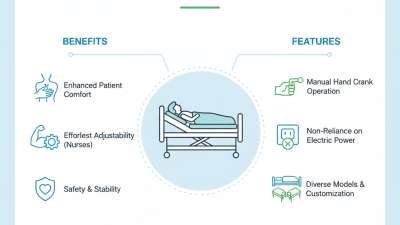
A single-shake nursing bed, often called a single-crank bed, uses a hand-operated mechanism to adjust the backrest. The exact function varies by model; some beds also adjust the leg section. A caregiver turns the side crank to raise the user for meals, reading, or supported rest. The gradual movement can make routine positioning easier, but it does not replace safe transfer techniques or individual assessment. Check mattress fit, wheel locks, rail gaps, and crank clearance before use. Small details matter.
These beds are used in home care, nursing facilities, and some clinical settings where basic positioning support is needed. The World Health Organization’s 2022 Global Report on Assistive Technology estimates that 2.5 billion people need at least one assistive product; this figure covers many product types, not nursing beds alone. UN DESA’s World Population Prospects 2022 projects that one in six people worldwide will be aged 65 or older by 2050. Such figures provide context for growing care needs, not proof of demand for any one bed type. A manual crank avoids reliance on electrical power, yet frequent or precise adjustments may call for another design. A real limitation.
A single-shake nursing bed is designed to adjust one section, usually the backrest, with a hand-operated crank. This simple mechanism can help a caregiver raise a patient’s upper body for meals, reading, or rest. On a well-made model, the crank turns smoothly and sits where it is easy to reach. Small details matter.
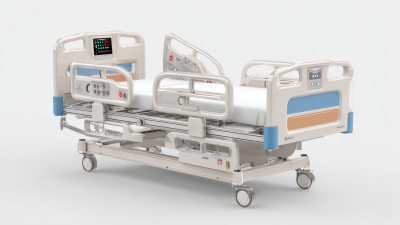
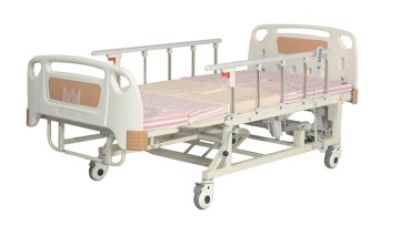
A High-Quality Single Shake Nursing Bed should have a stable steel frame, a supportive mattress platform, and side rails that help reduce the risk of accidental falls. Lockable castors are useful when the bed needs to move for cleaning, then stay firmly in place. Smooth surfaces and accessible joints also make routine wiping easier. Check the stated load capacity and mattress dimensions before choosing a bed; specifications can differ between models. A single crank is practical, but it does not adjust every position. That is a real limitation. The handle may also feel stiff if it is poorly aligned or receives little maintenance, so testing the movement and checking the fittings can reveal issues before regular use.
A Single Shake Nursing Bed Manufacturer in China typically develops a manual bed around one main adjustment: raising the backrest with a hand crank. The design starts with user needs, including caregiver reach, patient transfer, and ease of cleaning. The World Health Organization and UNICEF’s 2022 Global Report on Assistive Technology estimates that 2.5 billion people need one or more assistive products; this figure may reach 3.5 billion by 2050. That demand makes practical, repairable equipment important.
Engineers turn the brief into drawings and a prototype. They check frame dimensions, weld locations, mattress-platform gaps, and crank clearance. A handle should turn smoothly without striking a wall or trapping fingers. Steel tubing is cut, bent, welded, and coated; the lifting linkage and backrest panel are assembled afterward. Factories typically inspect welds, coating coverage, moving parts, and load performance before packing. Details matter.
Quality checks should test repeated crank cycles, not just a single lift. Staff can also check whether the bed stays stable on uneven flooring and whether its surfaces are easy to wipe. Exact test methods depend on the product specification and applicable standards, so buyers should request documented results. A weakness in some designs is awkward access beneath the frame. It deserves more attention.
When comparing Single Shake Nursing Bed Manufacturers, look beyond smooth finishes and product photos. A single-shake bed should move steadily under load, without sudden jolts or loose joints. Ask how the motion mechanism is tested and what weight range the test covers. Check welds, fasteners, side rails, and wheel locks on a sample unit. Small details matter. A rail that rattles during adjustment can become a daily frustration for caregivers.
Safety evidence should be specific and traceable. Request inspection records, user instructions, maintenance schedules, and documentation for the markets where the bed will be sold. Confirm that electrical parts, if fitted, have suitable protection and clear servicing guidance. Applicable requirements vary by destination, so avoid relying on a generic compliance statement. A polished brochure is not proof. Review how the supplier handles component changes, production checks, and reported defects. No checklist catches every issue; that limitation deserves honest discussion. If a factory cannot explain its testing process plainly, pause before placing a large order. A detailed answer is reassuring, but an actual sample and consistent records provide stronger evidence.
Best Single Shake Nursing Bed Manufacturer in China
How to Evaluate and Compare Chinese Bed Manufacturers
A strong evaluation starts with the bed’s actual use, not a polished showroom display. Check the frame welds, caster locks, side-rail gaps, and how smoothly the backrest and leg section move. Ask for rated load, adjustment range, motor specifications, and test records. Confirm that documents match the exact model you plan to buy. A single-shake bed should move steadily, without sudden drops or excessive noise.
Tips: Request a sample inspection or live production video. Compare written warranty terms, spare-part availability, packaging, and delivery checks. Ask how faults are recorded and corrected. Small details matter.
Do not compare prices alone. A lower quote may exclude accessories, inspection, or replacement parts. Ask whether the factory tests each bed before packing, and request dated quality-control records. Where possible, visit the production site and inspect a finished unit under load. Verify applicable safety requirements for your destination market with a qualified testing body. It is easy to trust a neat brochure too much; real evidence is less convenient, but more useful. A clear response to a difficult question can reveal more than a sales presentation.
| Evaluation Dimension | What to Compare | Reliable Check or Evidence | Why It Matters | Buyer Notes |
|---|---|---|---|---|
| Bed configuration | Confirm that “single shake” means a manually operated, single-crank bed. Check which section the crank adjusts and whether other adjustments are included. | Request the product specification, operating instructions, and a demonstration. Confirm whether backrest adjustment, leg adjustment, or height adjustment is provided. | Product terminology can vary. A single crank does not, by itself, establish that the bed has additional adjustment functions. | ________________ |
| Load capacity | Compare the stated safe working load and the definition used for that rating. | Ask for the product datasheet and relevant test records. Check that the rating applies to the exact model and configuration being quoted. | There is no single load rating that applies to every nursing bed. The intended patient and use conditions should match the documented rating. | ________________ |
| Safety and applicable standards | Check which product-safety requirements and standards are relevant to the destination market and intended use. | Where applicable, ask whether the bed has been assessed against EN 60601-2-52 for Medical Beds. Request reports that identify the tested model and configuration. | Standard applicability depends on the product and market. A certificate or report should be checked for scope, issuer, validity, and model coverage. | ________________ |
| Quality management | Compare documented quality controls for production, inspection, traceability, and handling of nonconforming products. | If ISO 13485 certification is claimed, verify the current certificate, certification body, scope, and covered manufacturing site. | ISO 13485 concerns quality management systems for medical devices; it is not, on its own, proof that a particular bed model meets every market requirement. | ________________ |
| Frame and finish | Compare frame material, weld quality, coating or finish, edges, joints, and resistance to corrosion and routine cleaning. | Inspect a sample or production unit. Request material and finish specifications, plus test evidence for any specific corrosion-resistance claim. | A material description alone does not establish durability. Actual construction, finishing, maintenance, and cleaning conditions also matter. | ________________ |
| Crank and moving parts | Check crank operation, movement smoothness, stability, noise, accessible pinch points, and whether the crank can be stored safely when not in use. | Operate the bed under representative conditions and review the user instructions and maintenance schedule. | Hands-on inspection helps reveal usability and assembly issues that may not be clear from photographs or a quotation. | ________________ |
| Dimensions and compatibility | Compare overall dimensions, mattress platform size, mattress compatibility, clearance, and access requirements. | Obtain a dimensioned drawing and confirm mattress size, permitted mattress thickness, and any required accessories in writing. | Checking dimensions before purchase reduces fit, delivery, and ward-layout problems. | ________________ |
| Cleaning and maintenance | Compare cleaning instructions, compatible cleaning agents, access to serviceable parts, and availability of maintenance guidance. | Request the current instructions for use and cleaning. Confirm compatibility with the disinfectants and procedures used at the destination facility. | Do not assume that a surface is compatible with every disinfectant; follow the manufacturer’s documented instructions. | ________________ |
| Production and inspection | Compare how incoming materials, in-process assembly, finished products, and order-specific inspections are controlled. | Ask for the inspection checklist, batch or serial traceability approach, and sample inspection records for the quoted model. | Documented processes make product consistency easier to assess than general claims about factory capability. | ________________ |
| Packaging and shipping | Compare packing method, protection of moving parts, package dimensions, shipment terms, and responsibility for freight and import arrangements. | Request packing details and a written quotation that states the agreed delivery term, destination, and included costs. | The final landed cost and delivery responsibilities cannot be judged from the product price alone. | ________________ |
| Warranty and spare parts | Compare warranty duration and exclusions, replacement-part availability, service response process, and who pays shipping for parts. | Get warranty terms and a parts list in writing. Confirm the ordering process and expected service arrangements for the destination market. | Warranty coverage and after-sales support are contractual details and should not be inferred from sales materials. | ________________ |
| Regulatory documentation | Compare the documents supplied for the intended market, including product identification, instructions, and applicable conformity documentation. | Verify documents with the relevant issuing body or official database where available, and confirm that the model and manufacturer details match the offer. | Regulatory requirements vary by destination. A general claim of compliance should be supported by documents relevant to the exact product and market. | ________________ |
| Total cost comparison | Compare unit price alongside accessories, packaging, freight, import costs, spare parts, and warranty conditions. | Use quotations with the same configuration, quantities, delivery destination, and trade terms before comparing totals. | A like-for-like comparison avoids treating different specifications or delivery arrangements as equivalent offers. | ________________ |
Note: Verify specifications, certificates, test reports, and regulatory requirements for the exact bed model and destination market before placing an order.
A single shake nursing bed should match the care routine and room layout, not just a catalog photo. During customization, confirm the bed’s dimensions, shake angle, side-rail design, mattress size, and control method. Ask for a specification sheet and a drawing showing key measurements. Small details matter. Check that the hand controls are easy to reach and that the bed can pass through the facility’s doorways.
When evaluating a Single Shake Nursing Bed Exporter, request an itemized quotation covering options, packaging, production time, and shipping terms. Share the intended quantity and destination early; these can affect the schedule and freight cost. Before placing an order, review the final specifications in writing. A drawing can still leave questions, so clarify anything that seems vague rather than assuming it is included. Custom features may also extend lead time.
After delivery, ask what inspection records, user instructions, and spare parts are available. Confirm how service requests are handled, what information the support team needs, and whether replacement parts can be shipped separately. Keep photos and the order specification for reference. If a component needs attention, clear records can make troubleshooting easier. One point worth checking: after-sales arrangements may differ between markets, so confirm the details before ordering.
Choosing the right manufacturer for your care facility starts with the way staff and residents will use each bed. For a single-shake nursing bed, confirm which section the crank adjusts and whether the motion suits your care routines. Ask for the bed’s overall dimensions, safe working load, and mattress platform size. Measure doorways and bedside clearance, too. A bed that fits the room on paper may still be awkward to move around.
Review the manufacturer’s material details, inspection records, and quality-control process. Ask how the crank mechanism is tested over repeated cycles, and whether replacement handles, casters, and side rails are available. Check the warranty, spare-part lead times, packaging, and delivery schedule in writing. A low quote can become less attractive if a small part takes weeks to replace. No checklist catches every workflow issue.
Tips: Share room measurements and care requirements before requesting a quotation. Ask for test documents, then inspect a sample bed with staff. Try the crank, brakes, and side rails. Small details matter. A showroom demonstration is useful, but it may not reveal how the bed feels after weeks of daily use. That uncertainty is worth discussing with the supplier.
As populations age, many people need coordinated support that helps them remain comfortable and safe during everyday care. An integrated turning care bed can contribute to this support by making routine movements easier for both the person receiving care and the caregiver. Its functions include assisted turning, back elevation, and leg adjustment, allowing the bed to be adapted to different resting and care needs. These features can help reduce the physical effort involved in repositioning someone with limited mobility.
The bed also includes a built-in toilet bowl for convenient use, along with safety barriers designed to help prevent accidental falls. By bringing several practical functions together, it can support more consistent care at home or in a medical setting. Caregivers can adjust the bed to assist with daily routines, while patients may benefit from greater comfort and a more secure feeling. Used as part of an individualized care plan, this kind of equipment can complement attentive, respectful support for older adults.
Ask how the movement mechanism is tested and what weight range the test covers. Try a sample under load. Watch for jolts or loose joints.
Check the welds, fasteners, side rails, and wheel locks. Adjust the rails and listen for rattling. Small noises can become daily annoyances.
Request inspection records, user instructions, and maintenance schedules. Confirm that the documents fit the intended market. A general statement is not enough.
Ask about protection for electrical parts and clear servicing instructions. Records matter. Still, paperwork cannot catch every problem.
Confirm the dimensions, shake angle, rail design, mattress size, and control method. Request a specification sheet and measurement drawing. Check doorway clearance, too.
Ask it to list options, packaging, production time, and shipping terms. Share the quantity and destination early, since both can affect cost and timing.
Yes. Custom features may extend the lead time. Review the final specifications in writing; a drawing can leave things unclear.
Confirm available inspection records, instructions, spare parts, and the process for service requests. Keep order details and photos. Parts may ship separately.
A Single Shake Nursing Bed is designed to support everyday patient care by allowing the backrest to be raised for greater comfort during rest, meals, and routine assistance. When evaluating a bed, care facilities should consider its frame stability, adjustment mechanism, mattress platform, ease of cleaning, and suitability for the needs of patients and caregivers. Manufacturers in China may use different materials and production processes, so clear product specifications and consistent quality checks are important.
Before choosing a manufacturer, compare construction, safety features, applicable quality documentation, customization options, production capacity, and communication. Confirm dimensions, finishes, accessories, order quantities, delivery arrangements, and warranty terms before placing an order. Reliable after-sales support can also help address maintenance needs over time. By assessing these factors together, buyers can select a manufacturer whose products and services align with their facility’s requirements, budget, and care routines.