Leave Your Message
Picking the right Single Shake Nursing Bed isn’t just about comparing price tags or product photos. For buyers around the world, what really matters is solid construction, controls that make sense in everyday use, and safe positioning for day-to-day patient care. Below, we walk through seven beds we picked because they strike a good balance between usability, durability, and overall value for the money. So when we look at each option, we’re really looking at it from a healthcare facility’s point of view—where comfort and workflow both matter just as much.
So the review really hones in on things like how strong the frame is, how much the mattress platform shifts around, the side rails, how well the casters roll, and whether you can actually get in there to clean it. But it doesn’t stop there—it also looks at assembly needs, how clear the warranty is, whether spare parts are easy to find, and how responsive the supplier is. Those little details? They can add up and affect what you end up spending over the life of the bed. I mean, a bed can look great online and then perform badly in a busy ward. That’s a gap worth paying attention to. Before placing an international order, you'll want to double-check a few things: the electrical specs, how much load it can handle, the packaging quality, and whether the after-sales support is actually decent. You know, just to avoid surprises later.
Honestly, there’s no Single Shake Nursing Bed that fits every patient or every facility. A hospital might lean toward simpler controls, while a home-care provider may care more about lighter handling and quieter movement. And look—product info isn’t always complete. So it’s worth checking supplier claims against test reports, user feedback, and whatever local clinical requirements apply. That’s why our comparison is meant to be helpful, not some absolute final word. So, it's basically practical guidance for importers, distributors, nursing homes, and hospital procurement teams who are looking for reliable equipment from established manufacturers. And honestly? The small stuff really matters. Something like a wheel lock that stays put, a handset you can actually read, or a surface that's easy to wash—those little things can make everyday care better. When it comes down to the final call, though, you'd want to mix professional assessment with staff experience and confirmed technical documentation.

A single-shake nursing bed is a manually adjustable care bed with one crank handle. In many markets, the handle raises or lowers the backrest, helping a patient sit up for meals, reading, or breathing comfort. However, “single-shake” is not a globally fixed technical term. Some suppliers use it for a single-function crank, while others describe a compact manual nursing bed. Buyers should confirm the exact adjustment range before ordering.
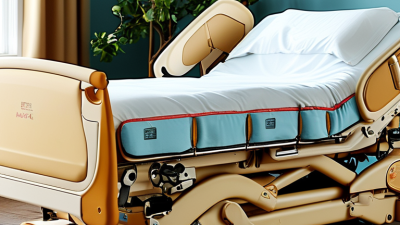
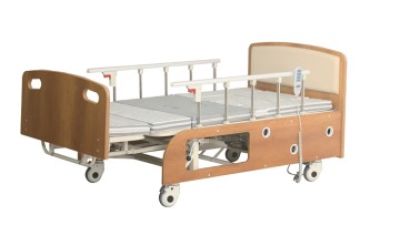
A High-Quality Single Shake Nursing Bed should feel stable during movement. Check the steel frame, locking casters, side rails, mattress platform, and crank operation. The handle should turn smoothly without sudden resistance. Rounded edges reduce contact injuries, while drainage hooks and an easy-clean surface support daily care. In clinical settings, staff should test the bed with a real mattress and typical patient weight. A product may look strong but still flex under repeated use. That detail is easy to miss.
Tips: Ask for drawings, load data, packaging details, and adjustment videos. Confirm whether the rails fold, whether the crank can be removed, and whether replacement parts are available locally. Check cleaning instructions before purchase. Do not rely on photos alone. A small trial order can reveal noise, unstable wheels, or awkward handle placement. Those findings may change the final decision.
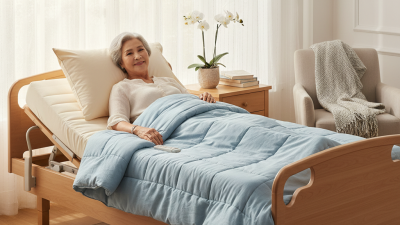
Electric home care beds are becoming an important part of modern home-based care, reflecting the growing emphasis on comfort, dignity, and personalized support. Insights associated with the World Health Organization highlight the importance of enabling older adults and people with limited mobility to receive safe, respectful care in familiar surroundings. Meanwhile, Grand View Research reports point to increasing demand for home care equipment as families seek practical solutions that combine medical support with everyday comfort.
With advanced electric adjustment functions, an electric home care bed allows users to raise or lower the back and legs with minimal effort. This flexibility helps them find a suitable posture for sleeping, reading, watching television, or taking a break. By reducing the need for frequent manual repositioning, the bed can also make daily care easier for family members and caregivers while supporting the user’s independence.
More than a piece of care equipment, the bed represents a thoughtful way to convey love and care at home. Its user-friendly design can help create a more comfortable and reassuring environment, allowing families to focus less on physical difficulties and more on companionship. As home-based care continues to develop, electric beds offer a practical balance between supportive technology, personal comfort, and compassionate daily care.
It commonly raises the backrest with one manual crank. Some models adjust height or leg position instead. Confirm the exact movement before ordering. This affects feeding, transfers, wound care, and breathing comfort.
Check lockable casters, secure side rails, stable frames, and mattress-platform gaps. Confirm the tested safe working load, not only patient weight. A thick mattress can reduce clearance. Small details matter.
No. Poor assessment can increase entrapment risks. Rail spacing, mattress thickness, and user mobility must be reviewed together. A rail may protect one person but restrict another.
The handle should turn smoothly beside the bed. It should not scrape, wobble, or require excessive force. Caregivers may reposition users many times each day. A stiff crank becomes tiring.
A basic manual bed suits simple routines and limited budgets. A height-adjustable model can support safer caregiver posture. A three-function model adds leg adjustment. Low-height beds may help transfers.
Look for wipe-clean surfaces, removable panels, accessible cranks, drainage-bag hooks, and lockable wheels. Confirm spare-part access and service response times. Cleaning should not feel like a repair job.
Request test records, material specifications, mattress dimensions, brake details, rail measurements, and maintenance intervals. Also check language, plug, import, and local service requirements. Catalogue photos are not enough.
Compare wheel alignment, rail hinges, crank quality, and replacement-part availability. A low purchase price may hide weak components. One broken wheel can change the calculation. I would inspect a sample first.
A Single Shake Nursing Bed is a practical care solution designed to support patients who need gentle upper-body repositioning, assisted feeding, rest, and daily nursing. This guide explains the main features buyers should compare, including backrest adjustment, sturdy frame construction, side rails, locking casters, mattress support, easy-clean surfaces, and optional accessories. It also reviews seven types of leading bed options according to their functions, comfort, usability, and suitability for different care environments.
Choosing the right bed begins with understanding the patient’s mobility, posture, transfer, and supervision needs. Buyers should also evaluate safety features, weight capacity, durability, maintenance requirements, and caregiver convenience. For international purchasing, it is important to confirm product specifications, quality documentation, applicable certifications, packaging standards, delivery terms, and after-sales support. By comparing performance, comfort, reliability, and shipping considerations together, healthcare providers and distributors can select a Single Shake Nursing Bed that offers dependable long-term value for both patients and caregivers.