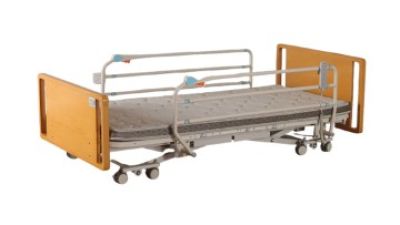
Picking out the right Elevating Nursing Bed isn't as simple as just comparing prices — especially for buyers around the world. You really want a bed that supports safer transfers, makes repositioning comfy, and can handle daily care reliably. Plus, it should fit comfortably into the room, be compatible with the mattress system, match your power sources, and be supported by a solid local service network.
In this guide, I’ve rounded up seven top options from well-known manufacturers like Hillrom, Invacare, Stryker, LINET, Drive DeVilbiss Healthcare, Joerns Healthcare, and Medline. We look at stuff like how high the bed can lift, how easy it is to adjust the back and legs, side-rail design, stability of the casters, emergency lowering features, access for cleaning, and user controls. These little details really matter—after all, a loose cable or a tricky brake can slow things down when you’re caring for a patient.
When it comes down to it, real-world usability counts.
The guide also reviews published specs, user manuals, warranty info, maintenance support, and what actual healthcare providers say about these beds. If you’re buying from a different region, make sure to double-check electrical compatibility, availability of spare parts, training needs, and local medical device rules before placing an order. Sometimes, even a bed packed with all the latest features isn’t a good fit if local technicians can’t service it easily.
And let’s be honest—no single ranking fits every hospital or care setting.
A rehab center might need precise height adjustments, while a home-care setup could prioritize compact size and quiet operation. Some beds seem alike online but actually differ quite a bit in weight capacity, rail height, or control panel design. We might miss minor usability issues sometimes, so it’s worth mentioning those too. It’s really smart to double-check measurements and discuss your specific clinical needs with qualified procurement or nursing folks. Taking this balanced, thorough approach helps you find a dependable Nursing Bed without falling for marketing hype or making assumptions about the specs.
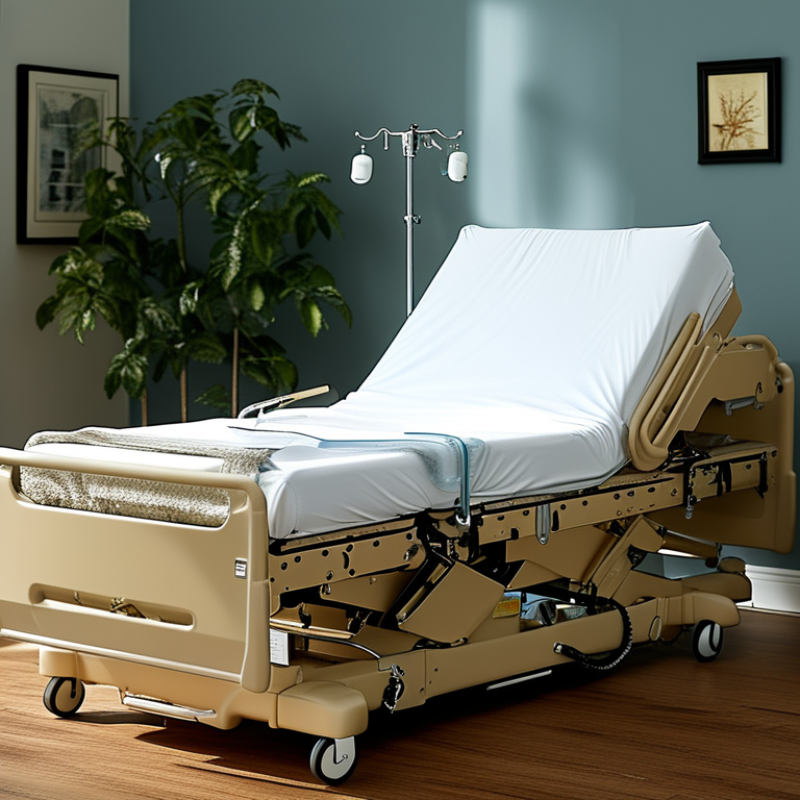
A suitable Elevating Nursing Bed must work safely across different care environments. AHigh-Quality Elevating Nursing Bed should offer stable height adjustment, smooth back and leg movement, and reliable emergency lowering. These functions help caregivers transfer patients with less bending. They also support safer wound care, feeding, and nighttime observation. During practical evaluations, check whether the frame remains steady on uneven flooring. Small movements can become serious risks.
Global buyers should examine electrical compatibility before ordering. Voltage, plug type, battery backup, and control-panel language may differ by country. The bed should also fit local room sizes, doorways, elevators, and transport vehicles. Clear manuals matter. So does responsive technical support. Replacement wheels, hand controls, and actuators should be available through a dependable supply chain. Buyers must verify applicable safety and medical-device requirements in the destination market.
Patient comfort deserves equal attention. A breathable mattress platform, quiet motors, adjustable side rails, and easy-clean surfaces can improve daily care. However, no specification sheet tells the whole story. A heavier frame may improve stability but complicate delivery. More functions may help one patient and confuse another. I would request a demonstration, inspect emergency controls, and ask for maintenance records before purchase. Even experienced buyers can overlook caregiver training and long-term repair access. That gap deserves honest review.
The chart highlights seven internationally relevant suitability dimensions. The values represent the number of major international standards or regulatory frameworks directly associated with each dimension, rather than a brand rating or product ranking.
References include IEC 60601-1, IEC 60601-1-2, IEC 60601-2-52, ISO 14971, ISO 13485, ISO 10993-1, IEC 62366-1, EU MDR 2017/745, and applicable national market-access requirements. Requirements vary by destination market.
When comparing the 7 best elevating nursing beds, buyers should examine more than lifting height and appearance. The frame should rise smoothly, without sudden movement or excessive noise. A stable base matters, especially when a patient transfers from a wheelchair. Check the safe working load, mattress platform width, and lowest height. Small differences can affect daily care.
Look closely at the electric system. Hand controls should use clear symbols and include a lockout function for safer supervision. Emergency lowering is valuable during power interruptions. Ask whether the bed supports the voltage and plug requirements of your market. An Elevating Nursing Bed Manufacturer should provide electrical safety documents, load-testing records, and clear maintenance instructions. Do not rely only on catalogue photographs.
Side rails need careful evaluation. They should reduce fall risks without creating difficult gaps or trapping points. Check how easily caregivers can release them with one hand. Casters should roll smoothly and lock firmly on uneven hospital flooring. I have found that attractive designs sometimes hide weak cable protection or awkward cleaning areas. That deserves attention. Waterproof surfaces, removable panels, and sealed control connections can reduce infection-control concerns, but buyers should verify the actual cleaning method. No bed is perfect. Request a demonstration, inspect the moving joints, and ask how spare parts are supplied after installation. Price matters, but dependable service may matter more over years of use.
Global buyers should match an elevating nursing bed to daily care, room size, and clinical risk. The UN World Population Prospects 2022 reports that people aged 65 and older may reach 16% of the global population by 2050. That shift increases demand for safer home-care equipment. The seven strongest use-case options are a low-height bed for fall prevention, a bariatric bed for higher weight capacity, a pediatric bed with enclosed safety features, a rehabilitation bed with independent leg elevation, a long-term-care bed with pressure-redistribution support, a compact bed for small apartments, and a transport-friendly bed for community care. No option fits every room.
Choose models tested against IEC 60601-2-52 where applicable. This standard addresses basic safety and essential performance for Medical Beds. For users at pressure-injury risk, confirm mattress compatibility and repositioning access. AHRQ identifies pressure injuries as a major patient-safety concern, so smooth height adjustment matters. In practical testing, check whether a caregiver can raise the backrest without leaning across the patient. Inspect rail gaps, caster locks, emergency lowering, and hand-control symbols. These details often matter more than a polished specification sheet.
Tips: Measure doorways, lift interiors, and bedside clearance first. Ask for load ratings, cycle testing, cleaning instructions, warranty terms, and local service coverage. WHO reports that about 1.3 billion people live with significant disability worldwide. Accessibility should therefore include controls, transfer height, and caregiver reach. One imperfect assumption remains: imported beds may meet technical standards but still lack suitable plugs, training, or spare parts. Reliability is local, not just mechanical.
Choosing among seven elevating nursing beds requires more than comparing prices or motor counts. Adjustability should match the patient’s mobility, transfer ability, and daily care routine. During practical ward assessments, nurses often test the lowest height beside the mattress edge. A small gap can affect confidence during transfers. Bed elevation should also support safer dressing, wound care, and repositioning without forcing staff to bend repeatedly.
Comfort depends on more than soft padding. A supportive mattress platform should reduce pressure around the hips, shoulders, and heels. Backrest and knee elevation must move smoothly, without sudden stops or noisy vibrations. Check the hand control carefully. Large, clearly marked buttons help patients with weak vision or limited hand strength. Side rails need secure locking, but they should not create unnecessary restraint risks. Safety comes first.
Reliable Elevating Nursing Bed Manufacturers should provide load ratings, cleaning instructions, maintenance schedules, and clear fault procedures. Ask whether the battery still lowers the bed during a power interruption. Inspect casters, brakes, cable routing, and emergency release features before purchase. I would not trust a bed based only on a polished specification sheet. Real comfort varies between patients, and one setting may not suit everyone. That limitation deserves honest discussion with nurses, caregivers, and therapists. Some details seem minor. They are not.
Choosing among the 7 best elevating nursing beds requires more than comparing prices. Motor systems strongly affect daily safety and comfort. Look for quiet linear actuators, smooth height adjustment, and emergency lowering when power fails. A wired handset should have clear symbols and protected buttons. Dual-motor designs may suit basic positioning, while four-motor systems offer finer back, knee, and height control.
Weight capacity needs careful reading. Confirm whether the stated limit includes the mattress, rails, bedding, and accessories. A 180-kilogram patient may require a bed rated well above 200 kilograms. Check frame deflection, caster strength, and brake performance under load. Durability should include repeated adjustment cycles, corrosion-resistant finishes, and stable welds. Reports aligned with relevant medical-bed standards, such as IEC 60601-2-52, add useful confidence, but documents still need independent verification. Some suppliers provide impressive numbers without enough testing detail. That deserves questions.
Tips: Ask an Elevating Nursing Bed Exporter for motor-cycle data, working-load definitions, battery specifications, and spare-part availability. Request photos of weld points and control boxes. Test rail movement and caster locking if possible. Check local electrical requirements before ordering. Also inspect cleaning instructions, because harsh disinfectants can damage finishes and seals. A bed can look solid yet fail during frequent transfers. Leave room for uncertainty, and treat vague durability claims as a warning.
For global buyers, the best elevating nursing bed is not simply the one with the highest lift range. It must carry credible documentation. Check ISO 13485 manufacturing controls, ISO 14971 risk management, and IEC 60601-2-52 testing where applicable. European buyers may require MDR compliance, while other markets use separate registration rules. Ask for test reports, declaration documents, and the exact model number. A certificate without traceable scope is weak evidence.
Shipping deserves equal attention. UNCTAD’s Review of Maritime Transport 2024 reports that more than 80% of global merchandise trade moves by sea. Nursing beds therefore need export-grade cartons, moisture barriers, corner protection, and clearly marked lifting points. Request the packed dimensions and gross weight before ordering. Confirm whether the quotation includes freight, insurance, customs clearance, and last-mile delivery. Small omissions become expensive at the destination.
After-sales support should be measurable. WHO and UNICEF’s Global Report on Assistive Technology estimates that more than 2.5 billion people need assistive products worldwide. That demand makes spare-parts planning essential. Require a written warranty, response-time target, remote troubleshooting process, and replacement-part availability for at least several years. Ask for manuals in the user’s language and technician training videos. Test the emergency lowering function after installation. It is easy to overlook. My practical concern is this: even a compliant bed can fail when local technicians lack parts or training. Buyers should audit the support plan, not merely trust a sales promise.
Choosing an elevating nursing bed starts with the care setting, not the product list. In home care, measure doorways, turning space, and floor strength before ordering. A narrow room may need a compact frame with lockable casters. In hospitals, frequent transfers require smooth height adjustment, clear controls, and simple cleaning surfaces. Long-term care facilities need durable rails, quiet motors, and easy access for caregivers.
The need is growing. The United Nations World Social Report 2023 projects that people aged 65 and older will reach 1.6 billion globally by 2050. WHO also reports about 684,000 fatal falls each year worldwide. These figures support safer positioning, but a low bed is not automatically safer. Rails can create entrapment risks when poorly matched to the mattress. A clinical risk assessment remains essential. I would not choose a feature-rich model without testing its controls with gloved hands.
Tips: Check the lowest and highest deck positions. Confirm the safe working load, mattress dimensions, emergency lowering function, and battery backup. Ask whether local technicians can service the motor. For pressure care, review repositioning needs with a qualified clinician; an elevating bed supports care but does not replace regular movement. The AHRQ pressure injury prevention toolkit also stresses skin inspection, moisture management, and individualized repositioning plans. A useful trial should include the resident, caregiver, and transfer equipment.
An electric five-function ultra-low care bed is an excellent choice for anyone seeking safer, more comfortable, and more efficient daily care. With several electrically controlled adjustments, it can help users find suitable positions for resting, reading, eating, or receiving care. The backrest, leg section, overall height, and other positioning features can be adjusted smoothly with simple controls, reducing the physical effort required from both patients and caregivers. This flexibility makes the bed suitable for a wide range of nursing needs and personal comfort preferences.
Its ultra-low design is especially valuable in everyday use. Lowering the bed closer to the floor can make getting in and out easier for patients with limited mobility, while also helping reduce the risk of injury from accidental falls. When care or transfers are required, the bed can be raised to a more convenient working height, supporting better ergonomics for caregivers. Built with sturdy, high-quality materials, it offers reliable support and long-term durability. Its refined structure can fit naturally into home care settings, private rooms, rehabilitation areas, and professional medical environments, providing a dependable foundation for comfortable and attentive care.
Match the adjustment range to mobility, transfer ability, and daily care tasks. Test the lowest height beside the mattress. A small gap matters. Also measure doorways, turning space, and floor strength at home.
Dual motors may support basic positioning. Four motors offer finer back, knee, and height adjustment. Choose quiet, smooth movement. Sudden stops and loud vibration are poor signs. Ask about emergency lowering during power loss.
Confirm whether capacity includes the mattress, rails, bedding, and accessories. A 180-kilogram patient may need a rating above 200 kilograms. Check caster strength, brake performance, and frame deflection under load. Numbers alone can mislead.
It should support the hips, shoulders, and heels without creating hard pressure points. Backrest and knee sections should move gradually. Comfort differs between patients. One trial setting may still be wrong.
Look for large, clear buttons and simple symbols. They help people with weak vision or limited grip. Test the controls with gloved hands. That small test can reveal frustrating resistance.
No. Rails need secure locking, but poor mattress matching can create entrapment risks. Assess the patient’s movement and transfer needs carefully. A rail is not automatically protective.
Request load definitions, motor-cycle data, battery specifications, cleaning instructions, and fault procedures. Inspect casters, brakes, cables, welds, and emergency releases. Ask about spare parts and local service. Vague claims deserve questions.
Home care needs compact dimensions and easy turning space. Hospitals need simple cleaning and smooth transfers. Long-term care needs quiet motors, durable rails, and caregiver access. The room often decides more than the brochure.
It supports repositioning and safer care, but it does not replace regular movement or skin checks. Use an individualized plan for moisture and pressure. Falls still require broader assessment. No bed solves everything.
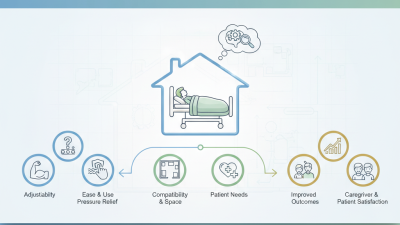
Choosing the right Elevating Nursing Bed requires more than comparing prices or basic functions. Global buyers should evaluate height and backrest adjustment, comfort, patient positioning, side-rail safety, locking casters, emergency controls, and ease of cleaning. Motor performance, lifting capacity, frame durability, noise level, and protection against frequent use are also important when selecting equipment for hospitals, nursing homes, rehabilitation centers, or home care. Different users may need specialized configurations, such as enhanced mobility support, pressure-relief compatibility, or simplified controls for caregivers.
International purchasers should also review applicable safety certifications, electrical requirements, packaging quality, shipping arrangements, installation guidance, warranty terms, spare-parts availability, and responsive after-sales support. A suitable Elevating Nursing Bed should match the care environment, patient needs, available space, staff training, and long-term maintenance plan. By comparing these factors systematically, buyers can select a safe, comfortable, durable, and practical solution that supports reliable care across different regions and healthcare settings.